
The golden age of cartoons
AnimeGO: the golden age of cartoons, from The Skeleton Dance to Yellow Submarine, and where to watch it
256 cartoons and features from 1928 to 1969: Mickey, Donald and the Silly Symphonies, Tom and Jerry, Bugs Bunny and the Road Runner, Popeye and Superman, and the art films of McLaren and Lye. Search a title and press Watch now.
All cartoons 256Disney 136Mickey and friends 99Silly Symphonies 28MGM 43Tom and Jerry 37Looney Tunes 52
Six to start with
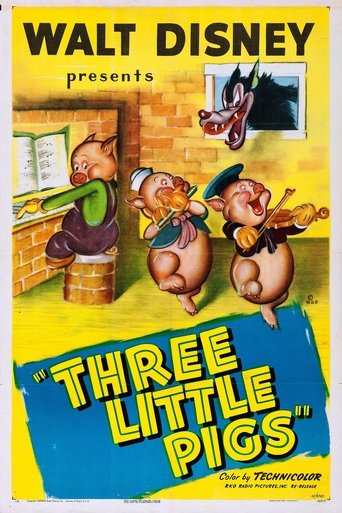 Three Little Pigs
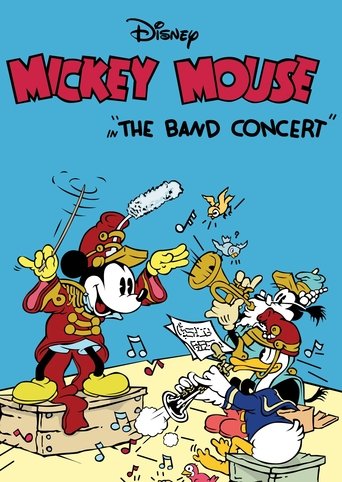 The Band Concert
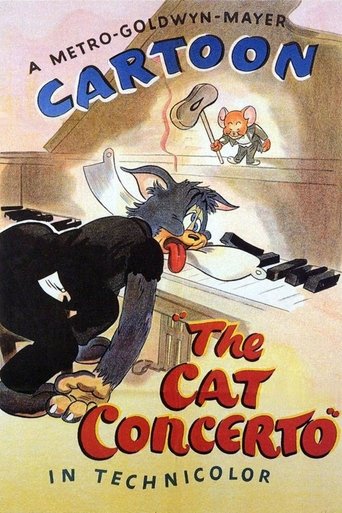 The Cat Concerto
 What's Opera, Doc?
 Duck Amuck
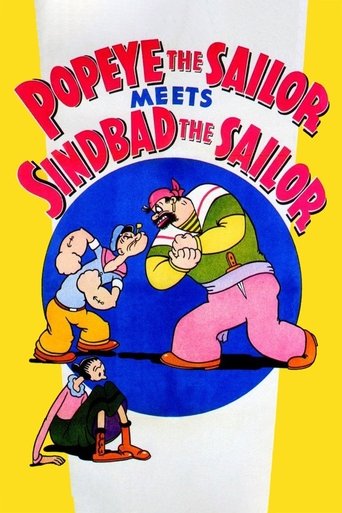 Popeye the Sailor Meets Sindbad the Sailor
The classics, most popular first
See all| # | Title | Rating | Length | Type |
|---|---|---|---|---|
| 1 |  Ferdinand the Bull Ferdinand the Bull | 6.7 | 8 min | Short1938 |
| 2 |  The Adventures of Ichabod and Mr. Toad The Adventures of Ichabod and Mr. Toad | 6.5 | 68 min | Feature1949 |
| 3 |  Melody Time Melody Time | 6.1 | 75 min | Feature1948 |
| 4 |  Animal Farm Animal Farm | 7.1 | 73 min | Feature1954 |
| 5 | 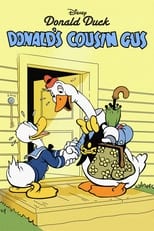 Donald's Cousin Gus Donald's Cousin Gus | 6.6 | 8 min | Short1939 |
| 6 | 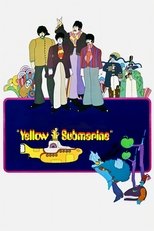 Yellow Submarine Yellow Submarine | 7.2 | 90 min | Feature1968 |
| 7 | 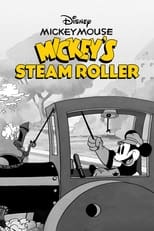 Mickey's Steam Roller Mickey's Steam Roller | 6.5 | 7 min | Short1934 |
| 8 | 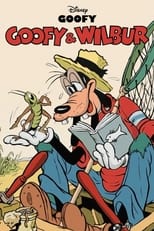 Goofy and Wilbur Goofy and Wilbur | 6.6 | 8 min | Short1939 |
| 9 | 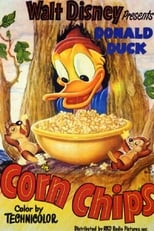 Corn Chips Corn Chips | 7.3 | 7 min | Short1951 |
| 10 | 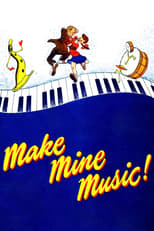 Make Mine Music Make Mine Music | 5.9 | 75 min | Feature1946 |
| 11 | 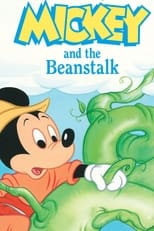 Mickey and the Beanstalk Mickey and the Beanstalk | 6.8 | 29 min | Short1947 |
| 12 | 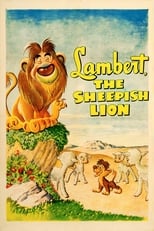 Lambert the Sheepish Lion Lambert the Sheepish Lion | 7.2 | 8 min | Short1952 |
| 13 |  The Big Bad Wolf The Big Bad Wolf | 6.5 | 9 min | Short1934 |
| 14 |  Three Little Pigs Three Little Pigs | 6.9 | 8 min | Short1933 |
| 15 |  The Grasshopper and the Ants The Grasshopper and the Ants | 6.4 | 8 min | Short1934 |
| 16 |  The Tortoise and the Hare The Tortoise and the Hare | 6.6 | 9 min | Short1935 |
| 17 |  Thru the Mirror Thru the Mirror | 7.2 | 9 min | Short1936 |
| 18 | 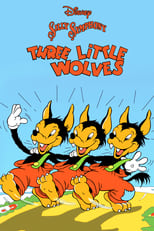 Three Little Wolves Three Little Wolves | 6.6 | 9 min | Short1936 |
| 19 |  How to Play Baseball How to Play Baseball | 6.9 | 8 min | Short1942 |
| 20 | 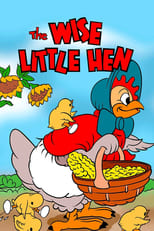 The Wise Little Hen The Wise Little Hen | 6.6 | 8 min | Short1934 |
Mickey and friends
See all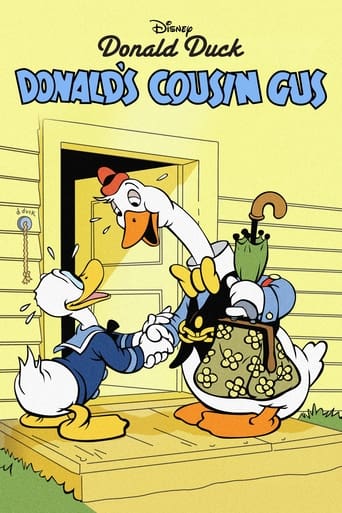 Donald's Cousin Gus
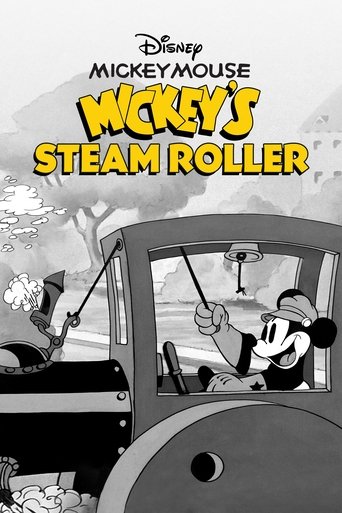 Mickey's Steam Roller
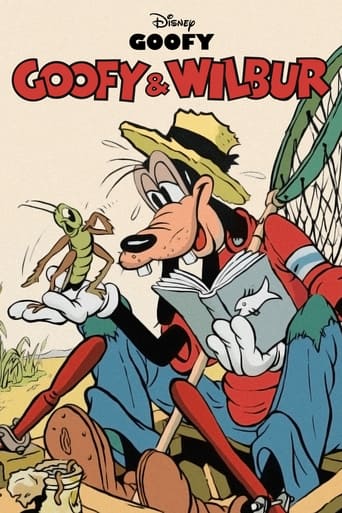 Goofy and Wilbur
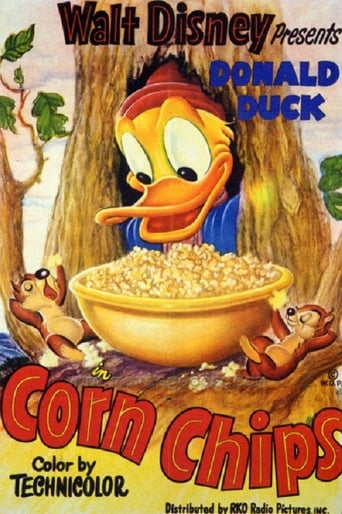 Corn Chips
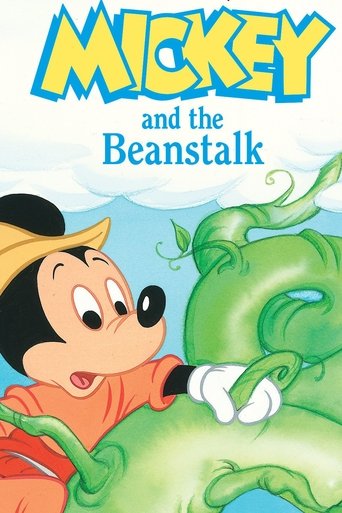 Mickey and the Beanstalk
 How to Play Baseball
Silly Symphonies
See all Ferdinand the Bull
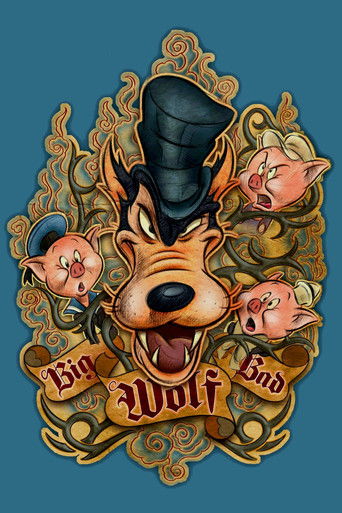 The Big Bad Wolf
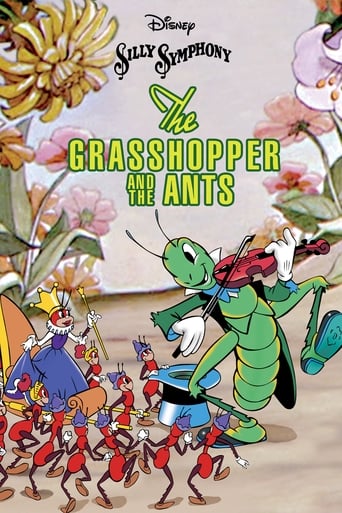 The Grasshopper and the Ants
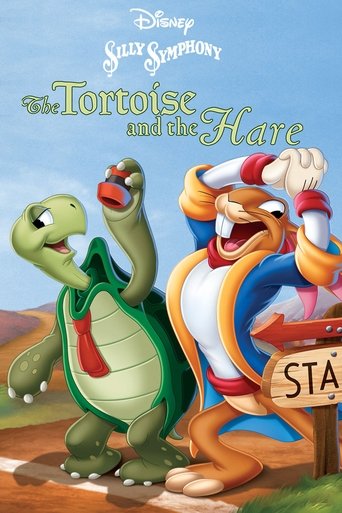 The Tortoise and the Hare
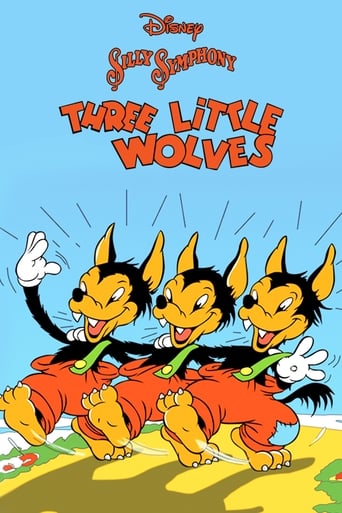 Three Little Wolves
Tom and Jerry
See all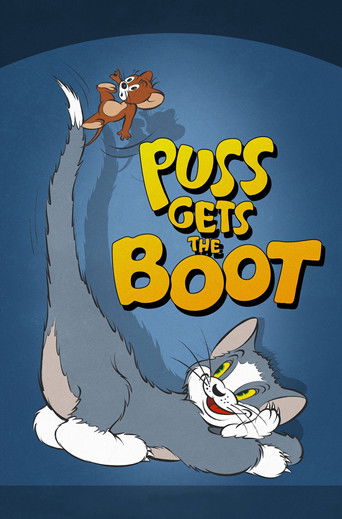 Puss Gets the Boot
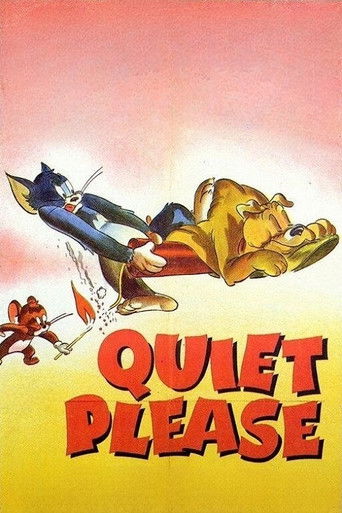 Quiet Please!
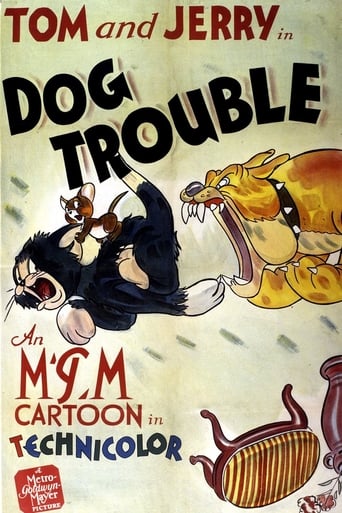 Dog Trouble
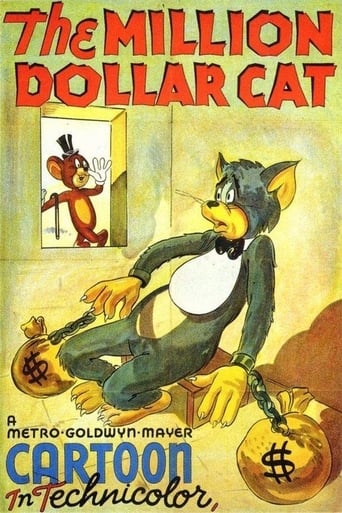 The Million Dollar Cat
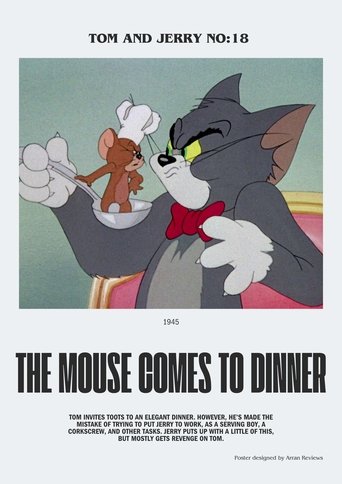 The Mouse Comes to Dinner
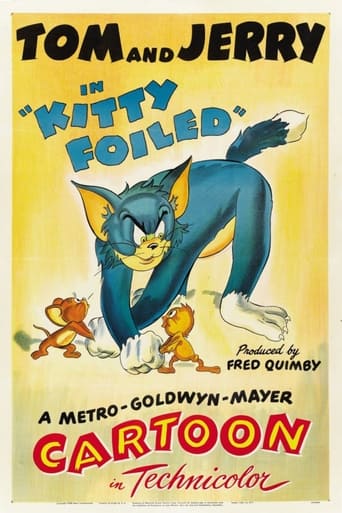 Kitty Foiled
Looney Tunes
See all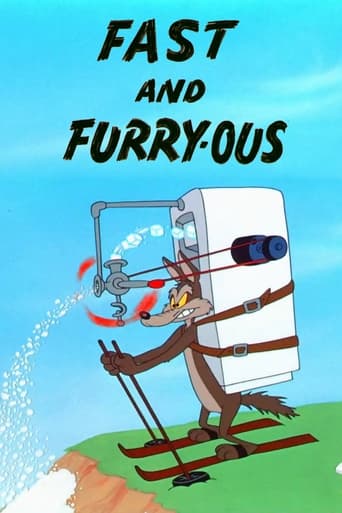 Fast and Furry-ous
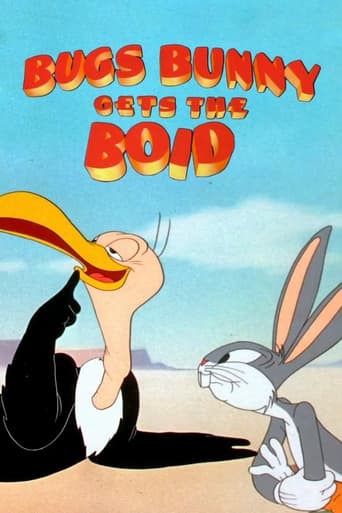 Bugs Bunny Gets the Boid
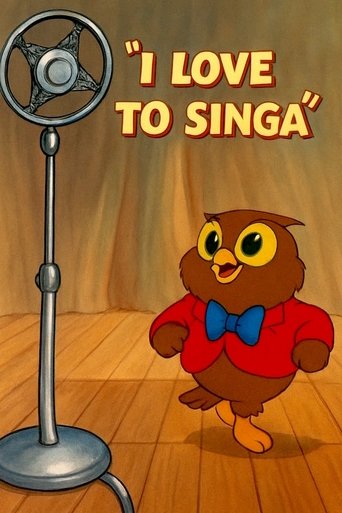 I Love to Singa
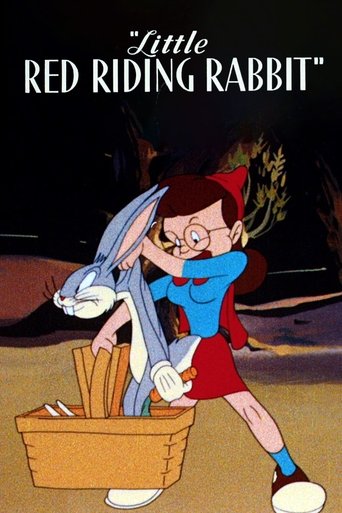 Little Red Riding Rabbit
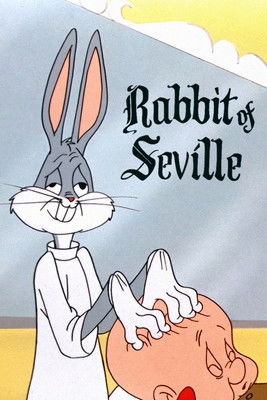 Rabbit of Seville
Fleischer Studios
See all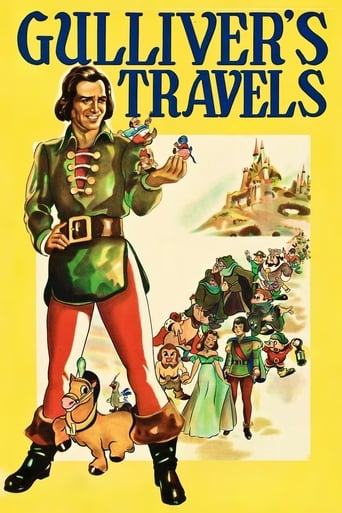 Gulliver's Travels
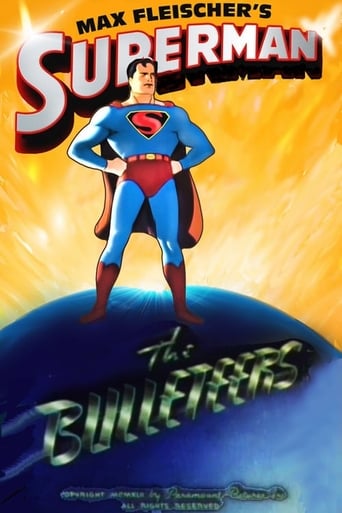 The Bulleteers
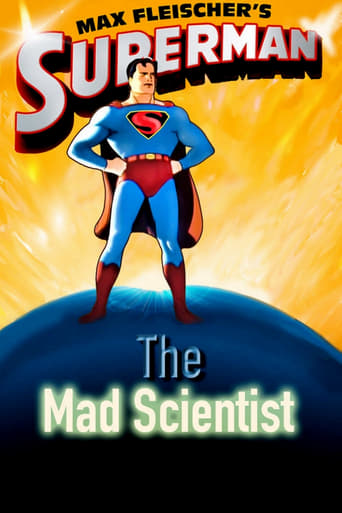 Superman
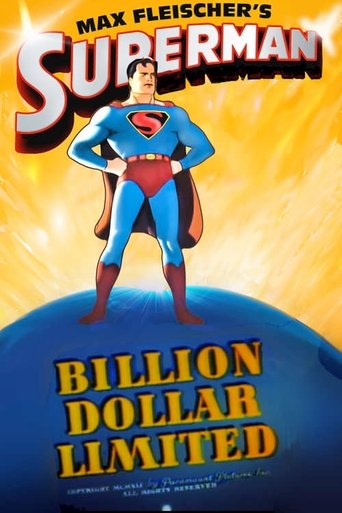 Billion Dollar Limited
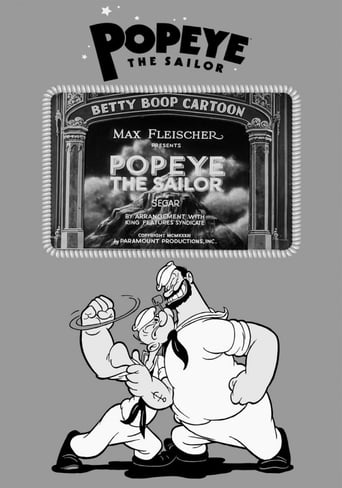 Popeye the Sailor
AnimeGO: the golden age of cartoons, from The Skeleton Dance and Three Little Pigs to Tom and Jerry, What's Opera, Doc?, Popeye, Superman and Yellow Submarine
Between the late 1920s and the late 1960s, a handful of studios in Hollywood and New York turned the animated cartoon into one of the great popular arts of the twentieth century. Walt Disney added sound, colour and feeling; the Fleischer brothers brought jazz and surreal invention; MGM perfected slapstick with Tom and Jerry; and the directors of Warner Bros. created Bugs Bunny, Daffy Duck and the Road Runner, the sharpest comedians the cinema has known. AnimeGO is a guide to this golden age of cartoons, written for viewers who want to discover or revisit the films that shaped animation for every generation since.
Here you will find 256 cartoons and features. There are Mickey Mouse's first adventures, the Silly Symphonies and the Oscar-winning Three Little Pigs; Donald Duck, Goofy, Pluto, Chip and Dale; Tom and Jerry's seven Academy Award winners; the Tex Avery cartoons at MGM; Bugs Bunny, Daffy Duck, Elmer Fudd, Tweety, Sylvester and the Road Runner; Betty Boop, Popeye and the Fleischer Superman; the art films of Norman McLaren and Len Lye; and features from Gulliver's Travels and Animal Farm to Yellow Submarine.
Every title has its own page with the story, the year, the running time and the director, and a Watch now button that opens it on JustWatch for the country you choose. This guide first explains how AnimeGO is laid out and then travels studio by studio through the golden age, introducing the artists, the characters and the cartoons that still make audiences laugh.
Why the golden age
The cartoons of the golden age were made to be shown in cinemas before the main feature, and they had seven minutes to win over an audience of all ages. That simple rule produced an astonishing burst of creativity. Studios competed fiercely for laughs and for Academy Awards, hired the best musicians and artists they could find, and pushed the craft forward every year: synchronised sound in 1928, full colour in 1932, the multiplane camera in 1937, CinemaScope in 1953.
The best of these films are as fresh today as when they were made. Their timing, music and drawing are still studied in every animation school, and their characters remain among the most recognised in the world. Watching them in order is a lesson in how comedy, music and storytelling can work together, and an endless source of pleasure for children and grown-ups alike.
How AnimeGO looks
AnimeGO keeps the look of the original AnimeGO site: a dark grey bar with a coral rule beneath it, a white condensed wordmark, plain links and a search field. The page is a soft light grey, and everything sits on clean white panels with hairline borders. The home page opens with a large title and a row of coral shelf links with their counts, just like the filters on the original list pages.
The heart of the design is the ranked table. Each row shows a number, a small poster, the title in coral with the original title in grey beneath it, the rating, the length and the type, so you can scan dozens of cartoons at a glance. A narrow card on the right lists every shelf with its count and opens the guides. Shelf pages use the same tables, and the home page also shows six favourites as posters to get you started.
Using the site
Start with the six favourites or the table of classics, ranked by popularity. Below them, shelves for Mickey and friends, the Silly Symphonies, Tom and Jerry, Looney Tunes and Fleischer Studios each show six posters and a link to the full table. The sidebar is always at hand, with every shelf from Disney to Holiday cartoons and Art films.
The search field accepts titles and parts of titles, so typing Rabbit, Concerto or Mickey brings up every match at once. The All cartoons link opens the whole collection with sorting by popularity, rating or year, and the Browse page lists everything from A to Z. When you find a cartoon you love, press Add to My List; the list stays in your browser and can be exported to another device. When you are ready to watch, choose your country and press Watch now to see the official services that carry it.
Mickey Mouse and the coming of sound
Mickey Mouse was born in 1928, when Walt Disney and his chief animator Ub Iwerks needed a new star after losing the rights to Oswald the Lucky Rabbit. Iwerks animated Plane Crazy, in which Mickey builds a plane to impress Minnie in the spirit of Charles Lindbergh, and The Gallopin' Gaucho, a swashbuckling tango in the pampas, both first made as silent films. When Steamboat Willie, the first Mickey cartoon with synchronised sound, became a sensation in November 1928, the earlier films were released with soundtracks too.
Mickey's early cartoons are full of music and mischief. In When the Cat's Away he and his friends throw a party in a cat's house, in The Barn Dance he competes with Pete for a dance with Minnie, in The Karnival Kid he sells hot dogs at a fair, and in The Haunted House a band of skeletons forces him to play the organ. By the early 1930s Mickey was the most famous cartoon character in the world, starring in films such as Mickey's Orphans, Building a Building, Ye Olden Days and Gulliver Mickey.
The Silly Symphonies
In 1929, Disney started a second series, the Silly Symphonies, in which music came first and the story followed. The first, The Skeleton Dance, animated by Ub Iwerks to music by Carl Stalling, shows skeletons rising from their graves at midnight to dance in a graveyard; its macabre humour and perfect timing made it a hit. Hell's Bells followed with a dance of devils, and the series soon moved to fables and fairy tales.
In 1932, Flowers and Trees became the first cartoon made in full three-strip Technicolor, and the first to win the new Academy Award for animated short. The next year, Three Little Pigs became a national phenomenon: its song Who's Afraid of the Big Bad Wolf? was sung everywhere during the Great Depression, and the film spawned the sequels The Big Bad Wolf and Three Little Wolves. The Silly Symphonies went on to win the Oscar almost every year, with The Tortoise and the Hare, Three Orphan Kittens, The Country Cousin, The Old Mill, Ferdinand the Bull and The Ugly Duckling.
The series was also Disney's laboratory. The Goddess of Spring was an early attempt to animate human figures, The Old Mill was the first film made with the multiplane camera, which gave depth to a night in an abandoned windmill, and Music Land, The Golden Touch, Elmer Elephant and Wynken, Blynken & Nod tried new kinds of storytelling. Everything learned in the Silly Symphonies went into Snow White and the Seven Dwarfs in 1937. Other favourites include The Grasshopper and the Ants, The Wise Little Hen, Funny Little Bunnies, Santa's Workshop, Babes in the Woods, The Pied Piper and Three Blind Mouseketeers. The Silly Symphonies shelf gathers them all.
Donald, Goofy, Pluto and the Disney gang
In the mid-1930s, Mickey was joined by a family of co-stars who soon rivalled him in popularity. Donald Duck made his debut as a lazy sailor duck in The Wise Little Hen in 1934 and stole the show a year later in The Band Concert, Mickey's first colour cartoon, in which Donald keeps interrupting Mickey's performance of the William Tell Overture by playing Turkey in the Straw on a flute. Goofy and Pluto completed the team, and the trio of Mickey, Donald and Goofy became famous in comedies such as Mickey's Fire Brigade, Moving Day, Alpine Climbers, Hawaiian Holiday, Lonesome Ghosts, Clock Cleaners, Boat Builders and Mickey's Trailer.
Donald soon got his own series. His temper made him the perfect comic hero, whether he is battling a flat tyre in Donald's Tire Trouble, trying to sleep in Early to Bed, cooking along with the radio in Chef Donald or meeting his three mischievous nephews Huey, Dewey and Louie in Donald's Nephews. Daisy Duck first appeared as Donna in Don Donald and as Daisy in Mr. Duck Steps Out, and the chipmunks Chip and Dale got their names in Chip an' Dale in 1947, beginning a long rivalry with Donald in All in a Nutshell, Toy Tinkers, Trailer Horn, Corn Chips and Out of Scale.
Goofy found a new career in the 1940s with Jack Kinney's How to series, in which a solemn narrator explains a sport while Goofy demonstrates it with disastrous results: The Art of Skiing, How to Fish, How to Play Baseball, How to Swim, The Olympic Champ, How to Play Football, Double Dribble and Goofy Gymnastics. Motor Mania, from 1950, turns Goofy into a gentle pedestrian who becomes a monster behind the wheel, a satire of driving that is still shown in road safety lessons.
Pluto, the member of the gang who speaks only with barks and expressions, starred in gentle comedies such as Lend a Paw, an Oscar winner in which his good and bad sides argue over whether to save a kitten, Pluto's Christmas Tree, Pluto's Party and Rescue Dog. Mickey's own later shorts, including Mickey's Delayed Date, Mickey and the Seal, Mickey Down Under and The Simple Things, are warm, relaxed comedies. The Mickey and friends shelf holds ninety-nine of them.
Disney's package films and later shorts
During and after the Second World War, Disney made a series of package films, features built from several shorter stories. Make Mine Music, from 1946, sets ten stories to popular and classical music, among them Peter and the Wolf, narrated by Sterling Holloway, in which every character is played by an instrument of the orchestra. Mickey and the Beanstalk, from 1947, sends Mickey, Donald and Goofy up a beanstalk to rescue a singing harp from a giant. Melody Time, from 1948, includes the tall tales of Johnny Appleseed and Pecos Bill.
The Adventures of Ichabod and Mr. Toad, from 1949, pairs two literary classics: Kenneth Grahame's The Wind in the Willows, with the motor-mad Mr. Toad, and Washington Irving's The Legend of Sleepy Hollow, narrated and sung by Bing Crosby, with the schoolmaster Ichabod Crane and his famous ride from the Headless Horseman. Both halves are also listed on their own.
The 1950s brought new characters and new formats. Lambert the Sheepish Lion tells of a lion cub raised among sheep, Ben and Me reveals that a mouse was behind Benjamin Franklin's inventions, and Humphrey the Bear stars in Beezy Bear and Bearly Asleep. Toot, Whistle, Plunk and Boom, from 1953, the first cartoon made in CinemaScope, teaches the history of musical instruments and won the Oscar, and Donald in Mathmagic Land, from 1959, takes Donald on a journey through geometry, music and billiards that has inspired generations of students. The Disney guide follows the studio's whole golden age.
The Fleischer studio
While Disney worked in Hollywood, the brothers Max and Dave Fleischer ran a studio in New York with a very different spirit. Their cartoons were urban, jazzy and gloriously strange, full of objects that come to life and characters who stretch and melt. Bimbo's Initiation, from 1931, sends the dog Bimbo through a funhouse of trapdoors and masked figures who keep asking him whether he wants to join their society. In Minnie the Moocher and Snow-White, Betty Boop meets ghosts who sing and dance to the music of Cab Calloway, whose own movements were traced from film to animate the characters.
The Fleischers' greatest star was Popeye, the spinach-eating sailor from E. C. Segar's comic strip, who first appeared in Popeye the Sailor in 1933, fighting Bluto for Olive Oyl. Popeye the Sailor Meets Sindbad the Sailor, from 1936, the first of three two-reel colour specials, places its characters in front of real three-dimensional model sets built on a turntable, a technique the Fleischers called the Stereoptical Process. In 1939 they released Gulliver's Travels, the second American animated feature, in which Gulliver washes ashore on Lilliput and tries to stop a war between two tiny kingdoms.
In 1941 the studio began its most celebrated series, Superman. With rich colours, dramatic lighting and realistic movement, the Superman cartoons, such as The Mechanical Monsters, Billion Dollar Limited, The Arctic Giant, The Bulleteers and Volcano, set the standard for action animation for decades and influenced artists from Japan to Hollywood. The first film was nominated for the Oscar. The Fleischer guide follows the studio's story.
MGM and Tom and Jerry
In 1940, two young MGM artists, William Hanna and Joseph Barbera, made Puss Gets the Boot, about a cat called Jasper whose owner threatens to throw him out if he breaks one more thing, and a mouse who makes sure he does. The cartoon was nominated for the Oscar, and the cat and mouse, soon renamed Tom and Jerry, went on to star in more than a hundred films, winning seven Academy Awards, a record they share with Disney's Silly Symphonies.
The Oscar winners are all on AnimeGO: The Yankee Doodle Mouse, a war-games parody of 1943; Mouse Trouble, in which Tom follows a book on how to catch mice; Quiet Please!, in which Jerry tries to wake the sleeping bulldog Spike; The Cat Concerto, with Tom as a concert pianist playing Liszt while Jerry interferes from inside the piano; The Little Orphan, a Thanksgiving tale with the hungry mouse Nibbles; The Two Mouseketeers, a swashbuckling adventure in old France; and Johann Mouse, about a mouse who dances to the waltzes of Johann Strauss.
Other favourites include The Night Before Christmas, The Midnight Snack, Fraidy Cat, Baby Puss, The Bodyguard, The Million Dollar Cat, Mouse in Manhattan, Solid Serenade, The Milky Waif, Dr. Jekyll and Mr. Mouse, The Invisible Mouse, Kitty Foiled, Professor Tom, Heavenly Puss, Texas Tom, Cue Ball Cat, The Hollywood Bowl, Jerry's Cousin and Hic-cup Pup, with Spike's little son Tyke. Scott Bradley's lively scores, full of quotations from classical music and popular songs, are as much a part of the fun as the chases. The Tom and Jerry guide lists the series in order.
Tex Avery at MGM
Tex Avery, who had helped create Bugs Bunny at Warner Bros., moved to MGM in 1942 and made some of the fastest and wildest cartoons ever produced. His characters break the fourth wall, his gags fly by at a dizzying pace, and his sense of the absurd has influenced comedians ever since. Screwball Squirrel introduces a manic squirrel who torments a hunting dog, Northwest Hounded Police stars the deadpan basset hound Droopy as a Canadian Mountie who is always one step ahead of an escaped wolf, and King-Size Canary turns a cat-and-bird chase into a race to grow ever larger with a bottle of plant food.
Bad Luck Blackie pairs a bullied kitten with a black cat who brings bad luck to anyone who crosses his path, and Magical Maestro follows a magician who takes revenge on an opera singer with a magic wand. Hugh Harman's Peace on Earth, also made at MGM, is a thoughtful Christmas fable about a world of animals rebuilding after people have gone; it was nominated for the Oscar and has been praised for its message ever since. The MGM shelf gathers forty-three cartoons.
Warner Bros. and the birth of Looney Tunes
The Warner Bros. cartoon studio, known to its artists as Termite Terrace, began by imitating Disney but soon found its own voice: faster, louder and much more irreverent. Tex Avery arrived in 1935 and gathered a group of young directors, among them Chuck Jones, Bob Clampett and Friz Freleng, who would create the most famous cast of characters in animation. Avery's I Love to Singa, from 1936, tells of a young owl who prefers jazz to his father's classical lessons, and his A Wild Hare, from 1940, is the cartoon in which Bugs Bunny first asks Elmer Fudd, What's up, Doc?
Bob Clampett brought a wild, rubbery energy to the studio. His Porky in Wackyland, from 1938, sends Porky Pig into a surreal land in search of the last dodo, and A Corny Concerto, from 1943, is a cheerful parody of Fantasia with Elmer Fudd as the host. A Tale of Two Kitties introduced the little bird who became Tweety, The Great Piggy Bank Robbery turns Daffy Duck into the detective Duck Twacy, and Book Revue brings the covers of a bookshop to life.
Friz Freleng was the studio's master of musical timing. You Ought to Be in Pictures mixes animation and live action as Daffy talks Porky into leaving cartoons, Little Red Riding Rabbit and Baseball Bugs set Bugs against bullies of every size, and Rhapsody Rabbit has him play Liszt's Hungarian Rhapsody on the concert stage, at almost the same moment as Tom and Jerry's The Cat Concerto, which led to a friendly dispute over who had the idea first. Freleng won Oscars for Tweetie Pie, the first pairing of Tweety and Sylvester, Speedy Gonzales, Birds Anonymous and Knighty Knight Bugs, the only Bugs Bunny cartoon to win the Academy Award. Buccaneer Bunny pits Bugs against the pirate Yosemite Sam.
Chuck Jones
Chuck Jones became the most admired director of the Warner Bros. studio, famous for his elegant timing, expressive faces and witty use of music. The Dover Boys at Pimento University or The Rivals of Roquefort Hall, from 1942, parodies Victorian adventure stories with bold, stylised movement that was years ahead of its time. In Hair-Raising Hare, Bugs is chased by a sneaker-wearing orange monster, in Haredevil Hare he meets Marvin the Martian for the first time, and in Long-Haired Hare and Rabbit of Seville he turns opera into slapstick.
In 1949, Jones created the Road Runner and Wile E. Coyote in Fast and Furry-ous. Told through sight gags and sound effects, the desert chases of Beep, Beep, Zipping Along and Gee Whiz-z-z-z-z-z-z follow strict rules: the Coyote is defeated by his own gadgets, the Road Runner stays on the road, and gravity always wins. In Operation: Rabbit, the Coyote takes on Bugs Bunny instead, with equal success.
Jones's hunting trilogy, Rabbit Fire, Rabbit Seasoning and Duck! Rabbit, Duck!, has Bugs and Daffy arguing over whether it is duck season or rabbit season while Elmer Fudd aims his gun at whoever loses. Duck Amuck, from 1953, is one of the cleverest cartoons ever made: an unseen animator torments Daffy by changing his backgrounds, his costumes, his voice and even his body, until the artist is revealed at the end. Duck Dodgers in the 24½th Century sends Daffy into space against Marvin the Martian, and Robin Hood Daffy and The Scarlet Pumpernickel turn him into a hapless swashbuckler.
One Froggy Evening, from 1955, tells of a workman who finds a frog that sings show tunes, but only when they are alone, and What's Opera, Doc?, from 1957, retells Wagner's Ring cycle in seven minutes, with Elmer as Siegfried and Bugs as Brünnhilde. In 1992 it became the first cartoon chosen for the National Film Registry of the United States Library of Congress. Feed the Kitty, about a bulldog who secretly adopts a kitten, Bewitched Bunny, Broom-Stick Bunny, Ali Baba Bunny, Bully for Bugs, Hare-Way to the Stars, Transylvania 6-5000 and Mad as a Mars Hare complete a remarkable body of work.
Robert McKimson and the later Warner years
Robert McKimson, a superb draughtsman who had drawn the model sheets for Bugs Bunny, directed some of the studio's most popular cartoons of the 1950s. Devil May Hare, from 1954, introduced the Tasmanian Devil, a whirling tornado of appetite who meets his match in Bugs, and Hillbilly Hare has Bugs call a square dance that leaves two feuding mountain brothers in knots. The studio's cartoons of the 1950s, such as Drip-Along Daffy and Water, Water Every Hare, kept the same high standards until the cartoon department closed in the 1960s.
Friz Freleng went on to found his own studio with David DePatie and made The Pink Phink, from 1964, the first Pink Panther cartoon, in which the cool cat fights a painter over the colour of a house; it won the Oscar on its first try. Chuck Jones moved to MGM, where he made The Dot and the Line: A Romance in Lower Mathematics, an elegant Oscar-winning fable about a straight line who learns to bend to win the heart of a dot. The Looney Tunes guide follows all the Warner directors.
Other studios and art films
The golden age was bigger than the three great studios. Walter Lantz's Woody Woodpecker stars in The Barber of Seville, directed by Shamus Culhane in 1944, in which Woody takes over a barbershop and gives his customers the treatment of their lives. The UPA studio broke with the round, realistic style of Disney and drew with flat colour and bold, modern shapes: its Gerald McBoing-Boing, from 1950, written by Dr. Seuss, tells of a little boy who speaks only in sound effects, and it won the Oscar.
In Canada and Britain, artists explored animation as pure art. Len Lye painted directly onto film to make A Colour Box in 1935 and later scratched lines into black film for Free Radicals. Norman McLaren of the National Film Board of Canada painted and scratched his images too: Begone Dull Care, made with Evelyn Lambart in 1949, dances to the jazz of the Oscar Peterson Trio, and Blinkity Blank won the Palme d'Or for short film at Cannes. Dušan Vukotić of the Zagreb studio made The Substitute, a witty tale of a beachgoer surrounded by inflatable objects. The Art films shelf gathers them all.
The features
The golden age also produced a handful of remarkable features beyond Disney's package films. Gulliver's Travels was the Fleischers' answer to Snow White. Animal Farm, from 1954, made by John Halas and Joy Batchelor in London, adapts George Orwell's fable of a farm revolution that goes wrong, and was one of the first British animated features released in cinemas; it suits older children and grown-ups. Gay Purr-ee, from 1962, a UPA musical with the voice of Judy Garland, follows a country cat who seeks her fortune in Paris, and Mister Magoo's Christmas Carol, from the same year, the first animated Christmas special made for American television, casts the short-sighted Mr. Magoo as Scrooge.
Rankin and Bass brought stop-motion puppets to the screen with Mad Monster Party?, a comedy in which Baron Frankenstein, voiced by Boris Karloff, invites all the famous monsters to a convention, and The Little Drummer Boy, a gentle Christmas story. The era ends with Yellow Submarine, from 1968, directed by George Dunning with designs by Heinz Edelmann, in which the Beatles sail to Pepperland to save it from the music-hating Blue Meanies. Its psychedelic colours and songs make it one of the most joyful animated films ever made. The Features shelf lists all nine.
Holiday cartoons
Cartoons have always been part of the holidays. The Silly Symphonies Santa's Workshop and The Night Before Christmas show Santa and his elves preparing and delivering the toys, Mickey's Orphans and Mickey's Good Deed are Christmas stories of kindness, and Pluto's Christmas Tree sends Chip and Dale into Mickey's living room. Tom and Jerry's The Night Before Christmas, from 1941, ends with a warm truce between the old enemies, and Toy Tinkers sets Donald against the chipmunks among the presents.
For Easter, the Silly Symphony Funny Little Bunnies shows rabbits painting eggs and making chocolate, and for Halloween, Trick or Treat has the witch Hazel teach Donald a lesson when he plays tricks on his nephews, while Broom-Stick Bunny has Bugs meet Witch Hazel on Halloween night. Mister Magoo's Christmas Carol and The Little Drummer Boy are longer holiday specials. The Holiday cartoons shelf gathers them all for the season.
Music and the cartoon
Music was the heartbeat of the golden age. The studios employed brilliant composers: Carl Stalling and Leigh Harline at Disney, Scott Bradley at MGM, and Stalling again and Milt Franklyn at Warner Bros., who turned classical music, jazz and popular songs into the perfect partner for slapstick. Many of the best cartoons are built around a famous piece of music, from the William Tell Overture in The Band Concert to Rossini in Rabbit of Seville, Liszt in The Cat Concerto and Rhapsody Rabbit, Strauss in Johann Mouse and A Corny Concerto, and Wagner in What's Opera, Doc?.
Disney's Make Mine Music and Melody Time put music at the centre of whole features, Peter and the Wolf uses Prokofiev's music to tell its story, and Toot, Whistle, Plunk and Boom explains how instruments work. Jazz and swing fill Minnie the Moocher, I Love to Singa and Solid Serenade, and the art films of McLaren and Lye were made by drawing directly to the beat. The Music and cartoons shelf gathers twenty-six of these musical treats.
Viewing programmes
The cartoons on AnimeGO were made to be shown together, and they are most fun in a programme. Here are a few ideas, each about an hour long.
The Oscar winners. Watch Flowers and Trees, Three Little Pigs, The Old Mill, Ferdinand the Bull, Lend a Paw, The Cat Concerto, Tweetie Pie, Gerald McBoing-Boing and Speedy Gonzales to see how the art grew over twenty years.
A Chuck Jones evening. Line up Fast and Furry-ous, Rabbit Seasoning, Duck Amuck, Duck Dodgers in the 24½th Century, One Froggy Evening and What's Opera, Doc?, six films often named among the greatest cartoons ever made.
Tom and Jerry marathon. Start with Puss Gets the Boot and run through the seven Oscar winners to Johann Mouse.
Mickey's world. Begin with Plane Crazy and The Skeleton Dance, then The Band Concert, Clock Cleaners, Lonesome Ghosts and Brave Little Tailor, and finish with Mickey and the Beanstalk.
Heroes and adventure. Watch Popeye the Sailor Meets Sindbad the Sailor, Superman, The Mechanical Monsters, The Arctic Giant and Gulliver's Travels for an afternoon of spectacle.
For young children
Most cartoons of the golden age suit the whole family, and their short running times make them ideal for young viewers. The gentlest are the Silly Symphonies, the Pluto and Chip and Dale cartoons, Lambert the Sheepish Lion, Ferdinand the Bull, The Ugly Duckling, Elmer Elephant and Peter and the Wolf. Children love the chases of Tom and Jerry and the Road Runner, and the musical cartoons are a wonderful way to introduce classical music.
Some cartoons reflect the attitudes of their time, and the official releases often open with a short introduction that places them in context. Animal Farm and Peace on Earth carry serious messages better suited to older children, and every page shows the running time so you can plan the viewing.
How the cartoons were made
A seven-minute cartoon of the golden age required around ten thousand drawings. Story artists first pinned sketches to boards to plan the gags, then directors timed every scene to the music on exposure sheets, frame by frame. Animators drew the key poses, assistants and in-betweeners filled in the movement, and the drawings were traced onto clear celluloid sheets and painted by hand, one colour at a time, before being photographed over painted backgrounds. A single studio might employ hundreds of artists working this way, and a busy year could see dozens of cartoons released.
The studios also invented new tools. Disney's multiplane camera, first used in The Old Mill, stacked layers of artwork at different distances from the lens to create real depth. The Fleischers built turntable model sets for their Popeye specials and used the rotoscope, invented by Max Fleischer, to trace live action for lifelike movement. UPA showed that limited animation with flat design could be just as expressive, and the art filmmakers proved that animation could be made by painting and scratching directly onto the film itself. Each page names the director, so you can follow an artist's style from one film to the next.
The voices
The golden age also gave us some of the most famous voices in entertainment. Walt Disney himself voiced Mickey Mouse until 1947, Clarence Nash gave Donald Duck his famous quack, and Pinto Colvig voiced Goofy. At Warner Bros., Mel Blanc, known as the man of a thousand voices, played Bugs Bunny, Daffy Duck, Porky Pig, Sylvester, Tweety, Yosemite Sam and many more, while Arthur Q. Bryan gave Elmer Fudd his gentle lisp. Tom and Jerry rarely spoke at all, leaving the storytelling to Scott Bradley's music, with William Hanna providing their famous screams and yelps.
Many cartoons also featured stars of the day. Bing Crosby narrates and sings The Legend of Sleepy Hollow, Sterling Holloway narrates Peter and the Wolf and Lambert the Sheepish Lion, Cab Calloway sings and dances in the Betty Boop films, Judy Garland sings in Gay Purr-ee, Boris Karloff plays the Baron in Mad Monster Party? and Jim Backus is Mr. Magoo.
The AnimeGO guides
Fifteen short guides help you make the most of AnimeGO. How to watch walks from a cartoon's page to the official service, Finding a cartoon shares search tips, and My List explains how to build a programme for later.
The studio guides open the catalogue in short routes: the Disney guide covers Mickey, Donald and the Silly Symphonies, the Tom and Jerry guide follows the cat and mouse of MGM, the Looney Tunes guide introduces the Warner Bros. directors, the Fleischer guide visits Betty Boop, Popeye and Superman, and The Oscar-winning cartoons lists the Academy Award winners on the site.
The practical guides cover the rest. Restorations and versions explains restored prints and edited versions, Apps and devices covers phones, tablets and televisions, and Where AnimeGO cartoons stream describes the services behind Watch now. Free classic cartoons points to public-domain films and archives, Streaming safely offers a short checklist, The official AnimeGO site shows how to recognise the real address, and Is AnimeGO working? gives quick fixes when a page is slow.
Restorations and how to watch them today
Many golden-age cartoons have been carefully restored in recent years, scanned from the original camera negatives so that their colours look as bright as on the day they were first shown. The studios that own them have released restored collections on disc and on their streaming services, and film archives keep preserving the work of the smaller studios. When you press Watch now, the services listed are the ones that carry the official versions in your country.
Some cartoons exist in more than one version. Early black-and-white films were sometimes coloured for television, and some cartoons were edited for broadcast. The official releases usually present the original version, sometimes with a short introduction about its history. The Restorations and versions guide explains the differences.
The shelves
The catalogue is arranged on sixteen shelves, and every cartoon sits on several. All cartoons holds everything, with sorting by popularity, rating or year. The studio shelves follow the great producers: Disney, MGM, Looney Tunes and Fleischer Studios, and the character shelves gather Mickey and friends, the Silly Symphonies and Tom and Jerry.
The theme shelves follow your mood: Features for a longer evening, Holiday cartoons for the season, Music and cartoons for the musical treats and Art films for the experiments. The era shelves, 1928 to 1939, The 1940s and 1950 to 1969, trace the golden age decade by decade, and Top rated lists the cartoons viewers admire most.
Because the shelves overlap, a cartoon such as The Band Concert appears under Disney, Mickey and friends, Music and cartoons and 1928 to 1939, so whichever door you open, you will find it. Each shelf is shown as a ranked table, so you can see its most popular cartoons at the top and scroll down to discover the rest.
The legacy of the golden age
The cartoons of the golden age shaped everything that came after them. Television animation of the 1960s grew from the studios that closed their theatrical departments, Hanna and Barbera founded their own company after MGM's cartoon studio closed in 1957, and the directors of Warner Bros. trained the artists who would lead the revival of animation in the 1980s and 1990s. Animators in Japan, Europe and around the world studied these films frame by frame, and their influence can be seen in every animated feature made today.
The characters themselves are still with us. Mickey, Donald, Bugs, Daffy, Tom and Jerry, Popeye and the rest star in new films and series every year, and their original cartoons are watched by new generations of children. Watching the originals, with their hand-painted colours and live orchestras, is the best way to understand why these characters have lasted so long.
A gallery of characters
Part of the joy of the golden age is getting to know its characters, each with a personality as clear as any film star's. Mickey Mouse is the cheerful, resourceful everyman who keeps his head when everything around him falls apart. Donald Duck is his opposite, a bundle of pride and temper who explodes at the smallest setback and somehow wins our sympathy anyway. Goofy is kind, clumsy and endlessly optimistic, and Pluto is pure dog, curious, loyal and easily distracted by a bone or a fly.
At Warner Bros., Bugs Bunny is the cool trickster who only fights back when provoked, and always wins with style. Daffy Duck began as a manic screwball and grew into a greedy, jealous schemer who is forever outwitted by Bugs. Porky Pig stammers politely through every disaster, Elmer Fudd hunts wabbits with more enthusiasm than skill, Yosemite Sam blusters and shoots at everything, Sylvester spits and plots to catch Tweety, and Marvin the Martian calmly prepares to blow up the Earth because it blocks his view of Venus.
At MGM, Tom is a scheming but very human cat whose plans always backfire, and Jerry is a clever little mouse who is rarely in real danger and often the one who starts the trouble. Spike the bulldog guards his son Tyke, Droopy wins every chase by being calmly everywhere at once, and Tex Avery's wolves and squirrels break every rule of cartoon physics. In New York, Betty Boop sings and dances through a world of jazz and ghosts, Popeye eats his spinach and saves the day, and Superman flies over a city drawn with the drama of a film noir.
These characters were played by a small number of brilliant artists, and you can often tell who directed a cartoon from the way a character moves. Following one character across the decades, from a rough early cartoon to a polished later one, is one of the most rewarding ways to explore AnimeGO.
Many of these characters also met one another in later years. Bugs and Mickey shared the screen for the first time in Who Framed Roger Rabbit in 1988, Daffy and Donald played a duelling piano duet in the same film, and the Looney Tunes and Disney stars have appeared together in countless tributes since. Watching their original cartoons side by side on AnimeGO is the next best thing to a reunion.
How the catalogue is chosen
Every cartoon on AnimeGO is chosen by hand. The catalogue focuses on the golden age of studio cartoons, from 1928 to 1969, with the most watched and most admired films of each studio. Each entry is checked for its story, its studio and its audience; the catalogue is family-friendly at heart, and wartime propaganda cartoons and shorts built on racial caricature are left to film historians and archives.
Facts on every page, such as release dates, running times and directors, come from public film databases, and the Watch now button uses JustWatch to show the official services in your country. When a newly restored cartoon reaches a streaming service, it joins the right shelves with a full page of facts, and older pages are reviewed so their posters and services stay up to date.
That's all, folks!
From a mouse building a plane in 1928 to four Beatles sailing to Pepperland in 1968, the golden age of cartoons gave the world forty years of laughter, music and invention. AnimeGO brings these films together in one place, with clear tables, helpful guides and a path to the official services. Open a shelf, pick a cartoon and press Watch now: a singing frog, a dancing skeleton or a duck arguing with his animator is waiting for you.
Questions
What is AnimeGO?
AnimeGO is a free guide to the golden age of cartoons, with a hand-picked catalogue of 256 cartoons and features from 1928 to 1969 and a Watch now button that leads to official services.
Is AnimeGO free?
Yes. Browsing, searching and My List are free, and Watch now shows free services with adverts as well as subscriptions, rentals and purchases.
Where do the cartoons stream?
Watch now uses JustWatch to list the official services in your country, from the studios' own streaming services to classic film services and digital stores.
Which cartoon should I watch first?
Start with Three Little Pigs, The Cat Concerto or Duck Amuck, three short masterpieces from three different studios.
Are the cartoons in colour?
Most are in colour; the earliest Mickey cartoons and the first Fleischer films are in black and white.
Can I find every Tom and Jerry Oscar winner?
Yes. All seven Academy Award winners are on the Tom and Jerry shelf, from The Yankee Doodle Mouse to Johann Mouse.
How does My List work?
Press Add to My List on any cartoon page. The list stays in your browser and can be exported to another device.
Which cartoons suit young children?
The Silly Symphonies, Pluto and Chip and Dale cartoons, Ferdinand the Bull and Peter and the Wolf are gentle favourites.
Does AnimeGO work on a phone or TV?
AnimeGO works in any current browser. On a television, press Watch now and open the chosen service's own app.
How often is the catalogue updated?
Newly restored cartoons join the shelves regularly, and sorting by rating or year helps you find them.